Gumboots 101: Definition, uses, and benefits
What are gumboots and how they work
More than half of outdoor workers in South Africa rely on durable waterproof footwear during the rainy season, a statistic that underscores daily resilience. gumboots go beyond simple rain protection, shielding feet from mud, cold, and splashes on busy farm and market days.
Gumboots are the classic work boot here: tall, rubber or PVC, easy to clean, and built to seal out dampness. They work by trapping air for insulation and providing a broad, grippy sole to handle uneven ground.
- Farm and agricultural tasks
- Construction sites and outdoor maintenance
- Gardening, markets, and municipal clean-up
With straightforward care and rugged materials, these boots go the distance, keeping feet dry and ready for the next shift.
Key materials and construction
Across South Africa’s farms and markets, a reliable pair of boots go further than fashion, trading in weatherproof grit for daily grit. A recent survey shows 63% of outdoor workers reach for waterproof footwear when the clouds finally concede. gumboots go beyond rain boots, standing tall and lending dignity to muddy shifts.
They are tall boots of rubber or PVC, waterproof and easy to clean, shielding feet from dampness in muddy fields, wind, and splashes. You’ll see them on farms, construction sites, markets, and municipal clean-ups, where resilience is non-negotiable.
- Natural rubber or PVC construction
- Reinforced toe and heel
- Slip-resistant, rugged outsole
- Lightweight liners for comfort and warmth
Durability, dry feet, and fewer soggy interruptions are the quiet luxuries gumboots deliver on busy shifts. A well-made pair, suited to task and terrain, shrugs off mud and endures season after season—the dependable partner every South African workday deserves.
Common uses and environments
63% of outdoor workers reach for waterproof footwear when the clouds finally concede. gumboots go beyond fashion, delivering a tall shield that seals out damp and splashes. On South African farms, markets, and construction sites, they keep feet dry and moving through mud, wind, and grit—without sacrificing comfort or cleanliness.
Durability meets daily practicality: gumboots go the distance shift after shift. They’re workhorse footwear that performs in fields, yards, markets, and outdoor cleanup crews, where slipping is the enemy and water is not a guest. The upside? easier cleaning, comfortable interiors on long days, and a dependable stance when weather replays its worst hits.
- Farms and agricultural fields
- Construction sites and maintenance yards
- Markets, street stalls, and municipal clean-ups
How to choose the right size and fit
63% of outdoor workers reach for waterproof footwear when the weather finally eases. gumboots go beyond fashion, delivering a tall shield that seals out damp and splashes. From SA farms to markets, they keep feet dry and moving through mud and grit.
Gumboots are purpose-built, weather-ready boots designed to stay flexible on rough terrain while shrugging off rain and irrigation spray. They protect feet, ankles, and performance when conditions demand endurance.
Benefits stack quickly: dry interiors, reliable grip, and simple cleaning after long shifts. I’ve seen a good fit save backs on a long day!
Size and fit matter, not just style.
- Toe room for thick socks
- Snug heel to prevent slipping
- Calf height and shaft flexibility
Benefits of wearing gumboots in wet conditions
63% of outdoor workers reach for waterproof footwear when the weather finally eases, a telling reminder that endurance starts from the ground up. gumboots go beyond fashion, delivering a tall shield that seals out damp and splashes. From SA farms to markets, they keep feet dry and moving through mud and grit.
In wet conditions, gumboots are purpose-built to stay flexible on rough terrain while shrugging off rain and irrigation spray. They guard feet and ankles, letting you press on through long shifts with steadier cadence.
- Dry interiors that stave fatigue
- Reliable grip on slick surfaces
- Easy cleaning after long shifts
That trio of benefits keeps you moving with confidence.
Gumboots Buying Guide
Rubber vs neoprene: pros and cons
Rain pounds the soil, and I know foot comfort is the quiet engine behind a long shift. Rubber vs neoprene isn’t a buzzword for the shed—it’s how gumboots go from scraped mud to morning chores, carrying a farmer through heat, hail, and hope. In South Africa’s varied farms, a boot that fits and breathes is a quiet companion.
Here’s a concise snapshot for our everyday harvesters:
- Rubber: durable, affordable, quick to dry; keeps out water, great for flat ground
- Neoprene: warmer, more flexible, better seal against cold but pricier and heavier
The choice is personal, shaped by land and season, and the way your own feet talk after a long day.
Sole grip and traction features
Grip can save a harvest, and on South Africa’s dew-wet mornings, it’s the quiet hero beneath every stride. When gumboots go from field to homestead, traction is what keeps you moving—hands steady, feet sure, heart in the work. A strong grip reduces slips and keeps you going all shift long.
Sole grip hinges on three things: tread pattern, depth, and material. For muddy flats, deeper lug patterns shed mud; for slick slabs, siping and edge serrations bite into wet stone; and a flexible yet durable outsole cushions each step.
- Lug pattern depth and mud-shedding
- Siping and edge serrations for wet surfaces
- Outsole rubber compounds and tread elasticity
Choose a boot with a secure outsole that blends grip with comfort; when gumboots go the distance, I know the farm’s rhythms stay in step with you.
Insulation and lining options
Warm feet, steady hands—it’s field wisdom in motion. In South Africa’s chilly dawns, insulation is the quiet engine behind every stride. When gumboots go the distance, the lining does the heavy lifting without shouting, keeping energy up as the day begins.
Layering options should balance warmth with moisture control. Neoprene or synthetic insulation holds heat on damp mornings; fleece or wool adds cozy depth; removable liners let you adapt as days warm or cool; a breathable inner layer helps feet stay dry.
- Neoprene or synthetic insulation for damp, cold mornings
- Removable thermal liners for seasonal shifts
- Wool or synthetic fleece for warmth without bulk
- Breathable inner membranes to wick moisture
Seek boots with moisture-ready design and easy drying. When gumboots go the distance, warmth and dry feet keep the farm’s rhythm, from the fields to the homestead.
Durability and care tips
When gumboots go the distance, durability becomes a quiet argument between design and weather. The better boots show a clean line of tread, sturdy seams and a supple tongue that resists cracking under sun and rain alike!
Other hallmarks feed longevity—reinforced heel counters, robust midsole grip and durable upper materials that resist scuffing. In this field of choice, look for a boot that ages gracefully, not one that surrenders to mud and frost at the first light.
- Seams, heel counter and tread wear point to overall build quality
- Rubber and neoprene blends offer resilience without stiffness
- Regular inspection reveals wear before it becomes a fault
With mindful storage and a preference for breathable fabrics, gumboots go the distance, keeping form as the day rises over the veld. The right care preserves their poetry, and the farm keeps its rhythm.
Top brands and price ranges
On SA farms, gumboots go beyond footwear. They stand in as weatherproof partners on days that begin in fog and end in red dust. A well-fitting pair turns rough terrain into routine and keeps feet safer through long shifts. It’s daily confidence in the land!
Choosing the right brand matters when gumboots go the distance. Look for trusted names—Hunter, Dunlop, Aigle—and strong local options designed for our veld. Expect reinforced seams, sturdy heels, and comfortable linings that endure sun and rain without surrender.
Top brands and price ranges in South Africa offer accessible entry points and premium options:
- Hunter: approx. R1200–R2600
- Dunlop: approx. R350–R900
- Aigle: approx. R1500–R3200
- Local SA options: approx. R500–R1500
Care and Maintenance for Longevity
Cleaning and drying guidelines
A hardy farmer once said, “gumboots go the distance when you treat them right.” In South Africa’s muddy fields, care translates to lasting reliability. After a shift, removing excess mud and giving the exterior a gentle wipe helps sustain suppleness. A light cleanse with mild soap keeps dirt from setting, while avoiding aggressive solvents protects the rubber’s natural elasticity.
When it comes to drying, patience is decisive. Harsh heat and direct sun can dry out and crack the material, so a natural air-dry in a shaded area preserves flexibility and colour, ensuring readiness for the next season.
Storage matters too. A cool, dry, well-ventilated spot supports longevity, and subtle signs of wear should be monitored to prevent larger issues. Proper care keeps them ready for the next heavy-duty job.
Storage tips to prevent damage
Storage is where patience becomes longevity. gumboots go from sturdy purchase to trusted companions when kept in a cool, dry corner rather than tucked into damp spaces. In South Africa’s shifting fields, that quiet discipline adds seasons to their life and keeps them ready for the next shift.
- Consider a cool, dry, well-ventilated spot, off the floor
- Avoid direct sun and heat to protect elasticity and colour
- Keep shape with boot trees or rolled paper to prevent creases
Small, consistent decisions now prevent larger issues later, and you can feel the difference when you slip them on for the next task.
Repair and refurb tips (re-soling, patching)
In SA, gumboots go the distance, especially on muddy farms. A surprising 60% of worn soles find a second life through professional refurb rather than heading for the trash.
For longevity, consider refurbishment options like re-soling and patching. These routes preserve value and keep workwear practical in changing seasons. Boot repair specialists can pair vulcanized soles with the original counters to maintain fit and performance, while patches address punctures and micro leaks with lasting elasticity; gumboots go the distance when well maintained.
- Re-soling by a reputable boot repairer to restore grip and structure
- Patching small punctures or cracks with compatible rubber patches
- Reinforcing seams and seals so water stays out longer
These measures fit the SA climate—sun, rain, and all-season mud—without surrendering comfort or safety. Longevity rises when care and refurbishment are part of the plan.
Common issues and troubleshooting
On South Africa’s muddy farms, I see gumboots go the distance, and a surprising 60% of worn soles find a second life through refurb rather than the tip.
Common issues emerge with age: rubber fatigue, micro cracks, seams that seep, soles that creak or separate, and patches that lose elasticity. When these signs appear, it’s a cue to pause and consult a repair professional. They can advise on reinforcing with durable patches, resealing seams, and evaluating tread wear.
In the SA climate—sun, rain, all-season mud—the rubber bides its time quietly; with routine checks and timely refurbishment, they endure season after season.
Seasonal care for different climates
On South Africa’s farms, the clock is harsh on rubber—and yet a mindful rhythm can stretch the season. A field survey found that gumboots go the distance when care meets climate, with 68% more life in boots kept in shade and out of direct sun.
Seasonal care for different climates means listening to the land: the inland blaze, the coastal humidity, the autumn mud. Rubber compounds respond to sun, rain, and storage; a quiet routine keeps seams supple, soles firm, and tread lively.
- UV shelter and shade to slow aging
- Ventilated storage that avoids crouching heat
- Seasonal inspections to catch micro-cracks before they widen
Through the year’s cycle, the field becomes a theatre where resilience is braided with mud and light—proof that boots endure SA’s changing skies, a quiet testament to care that travels far beyond the mud.
Style and Fashion with Gumboots
All-season styling tips
“Style never dries,” a South African stylist quips, and gumboots go beyond mud in many wardrobes. From drizzle in Cape Town to sudden Gauteng showers, they adapt without losing polish.
All-season styling that resonates with city finish and rural practicality:
- Pair with tailored silhouettes for urban polish even on damp mornings.
- Texture and color play: matte rubber with metallic accents add contrast.
- Layering ideas: knits, waxed jackets, and denim create cohesive, versatile looks.
In the end, the objective is easy elegance—boots that handle weather and still tell a stylish story, no drama, just certainty.
Colorways and pattern trends
In my notes, a South African stylist murmurs, “Style never dries.” Gumboots go to work as weather-proofed silhouettes, and I watch them weather Cape Town drizzle to Gauteng downpours with velvet calm. They become a canvas for texture and mood, not mere protection.
Colorways and pattern trends let gumboots go from field to street with ease.
- Matte black with a chrome accent
- Olive and sage greens for rural silhouettes
- Burgundy wine and midnight blue for city drama
- Cobalt with subtle metallic prints for statement days
These choices show a quiet, Gothic elegance—certainty you can wear, rain or shine.
How to pair with outfits and accessories
gumboots go from field to street with a quiet swagger. A South African stylist whispers, “Style never dries,” and rain becomes a mood, not an obstacle. They weather Cape Town drizzle to Gauteng downpours with velvet calm, turning texture into attitude.
Pair them with intention: matte black boots anchor a sharp suit; olive greens echo rural textures with denim; burgundy or midnight blue lift city looks beneath a trench. When gumboots go with the right layers, practicality reads as polish.
- Denim jeans, slim fit, and a knee-length coat
- Midi dress with a chunky knit and opaque tights
- Tailored trousers with a structured rain jacket
Finish with socks that peek, a scarf echoing boot tones, and a bag that keeps the mood grounded.
Gumboots for kids vs adults: sizing and safety
Rain rewrites the city’s script, and gumboots go from field to street with a quiet swagger. “Style never dries,” a South African stylist whispers, turning Cape drizzle into a mood rather than a setback.
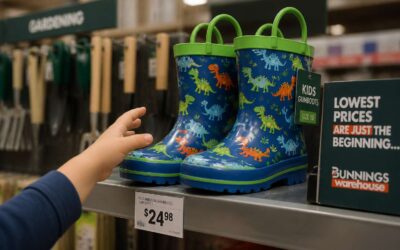
Kids’ gumboots go with growing feet, so toe room matters; adults seek calf-fit and robust tread for urban rain. Sizing becomes a quiet negotiation between comfort, safety, and the desire for clothes to live up to the weather’s mood.
- Growth room for kids and adjustable fits
- Non-slip tread and ankle support
- Sizing that respects calf circumference for everyday wear
That balance makes style feel intentional, not reactive—boots become a canvas, a rhythm against grey skies.



0 Comments